
Exploring the Cultural Significance of Casinos in Society
The Historical Context of Casinos
The roots of casinos can be traced back centuries, with their evolution closely tied to societal changes and cultural developments. Initially, gambling was a simple pastime in various cultures around the world, from ancient China to Greece and Rome. These early forms of gambling often had significant social implications, serving as a means of social interaction and community bonding, allowing individuals to engage in friendly competition while also risking their fortunes. The excitement of risk in gaming continues to thrive today; for instance, the Digger Jackpot money game offers a thrilling experience for players.
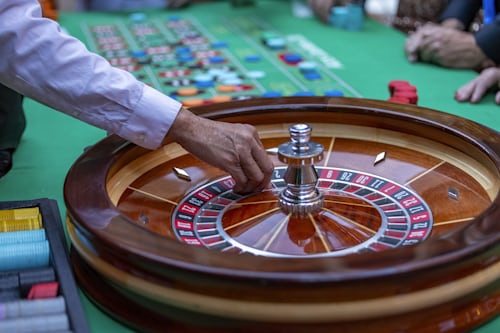
As societies evolved, so did the concept of gambling, transitioning from informal gatherings to more structured environments. The rise of casinos in the 18th and 19th centuries marked a turning point, as they became synonymous with luxury and leisure. Cities like Venice and Monte Carlo emerged as premier gambling destinations, attracting not just locals but also travelers seeking excitement and entertainment. This shift reflected broader cultural values of opulence and risk-taking, which became integral to the identity of modern society.
In the 20th century, the legalization of casinos in various regions, particularly in the United States, further underscored their significance. States recognized the potential economic benefits of regulated gambling, leading to the establishment of iconic venues in places like Las Vegas and Atlantic City. These developments not only transformed local economies but also shaped perceptions of gambling as a mainstream entertainment option, intertwining it with the cultural fabric of American life.
The Role of Casinos in Modern Society
Today, casinos play a multifaceted role in contemporary society, acting as social hubs that attract diverse demographics. They provide entertainment options that go beyond gaming, featuring restaurants, hotels, and live performances, thereby enhancing their appeal. This multifaceted nature positions casinos as vital contributors to the tourism industry, drawing millions of visitors and significantly impacting local economies.
Moreover, casinos can foster community interaction, often hosting events and activities that promote social cohesion. They create spaces where people from different backgrounds can come together, sharing experiences and building connections. This communal aspect can be particularly beneficial in larger cities, where individuals may seek social opportunities beyond their immediate circles.
However, the cultural significance of casinos is not without its challenges. The potential for gambling addiction raises critical concerns, sparking debates about responsible gambling practices. As casinos strive to balance entertainment with social responsibility, they increasingly implement programs aimed at educating patrons about the risks associated with gambling and providing support for those in need. This complex relationship with society highlights the ongoing dialogue about the role of casinos in modern life.
The Influence of Technology on Gambling Culture
Technological advancements have significantly transformed the landscape of casinos, both online and offline. The introduction of digital gaming platforms has reshaped how people engage with gambling, making it more accessible than ever. Online casinos offer users the convenience of playing from the comfort of their homes, thus reaching a broader audience and altering traditional gambling patterns.
Additionally, technology has enhanced the overall gaming experience within physical casinos. Innovations such as virtual reality and augmented reality are emerging trends that create immersive environments, allowing players to experience gaming in entirely new ways. These advancements not only attract tech-savvy younger generations but also reimagine the social aspects of gambling, bridging the gap between virtual and physical interactions.
Furthermore, the use of data analytics and artificial intelligence in casinos has revolutionized marketing strategies and customer experiences. Understanding player behavior and preferences enables casinos to tailor offerings, enhancing customer satisfaction while also optimizing operational efficiency. This synergy of technology and gaming reflects broader trends in society, where digital solutions are increasingly integrated into everyday experiences.
The Economic Impact of Casinos
The economic implications of casinos extend far beyond their immediate revenue generation. They create jobs, both directly within the casino and indirectly in surrounding businesses such as hotels, restaurants, and entertainment venues. The influx of tourists can lead to significant economic benefits for local communities, contributing to infrastructure development and public services.
Moreover, casinos often contribute to government revenues through taxes, which can be allocated to vital public projects. This financial support is especially crucial in regions where traditional industries have declined. The positive economic impact creates a narrative that emphasizes the role of casinos not just as entertainment venues but as catalysts for regional growth and revitalization.
However, the reliance on casino revenues raises questions about economic sustainability. Communities may become overly dependent on the gambling industry, risking economic downturns if visitor numbers decline. This reality underscores the need for balanced economic strategies that diversify local economies while recognizing the valuable role that casinos can play in fostering growth and development.

The Cultural Significance of Casinos in Contemporary Society
Casinos hold a unique place in contemporary culture, often serving as symbols of risk, excitement, and the pursuit of fortune. They embody the allure of chance, appealing to the human desire for thrill and adventure. The glamorous portrayal of casinos in films and literature has further solidified their status in popular culture, influencing perceptions and attracting new generations to the gambling lifestyle.
Moreover, casinos have become venues for cultural events and artistic performances, showcasing the interplay between entertainment and creativity. This cultural dimension enriches the casino experience, transforming them into spaces that celebrate art, music, and performance, drawing in those who may not typically engage with gambling. This diversification highlights the role of casinos as cultural landmarks, contributing to the broader landscape of entertainment.
In conclusion, as society continues to evolve, so too will the cultural significance of casinos. They remain vital components of the social fabric, balancing entertainment with economic opportunity. Understanding this dynamic relationship sheds light on the ongoing conversations surrounding gambling, technology, and community engagement, paving the way for a more nuanced appreciation of their place in modern life.